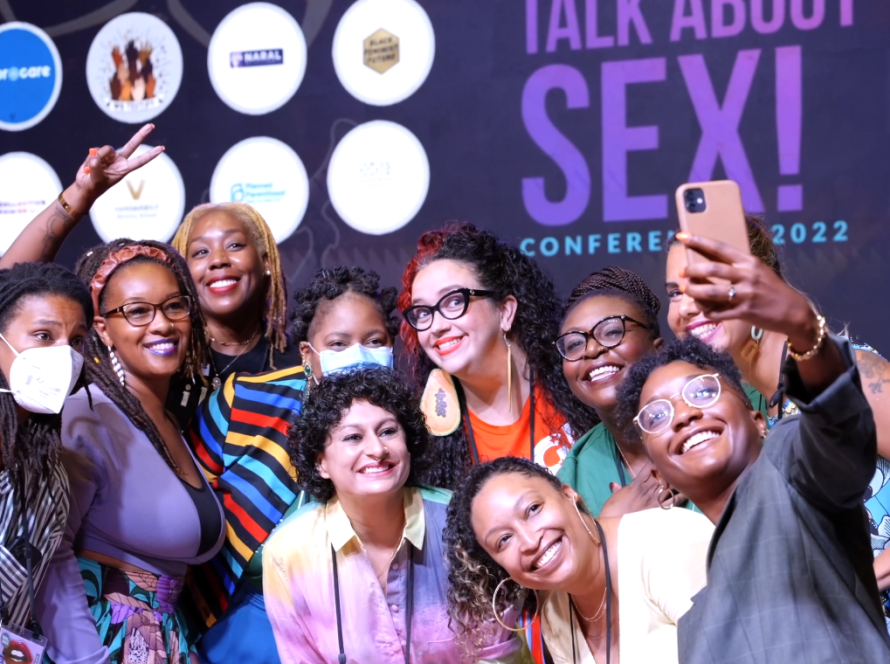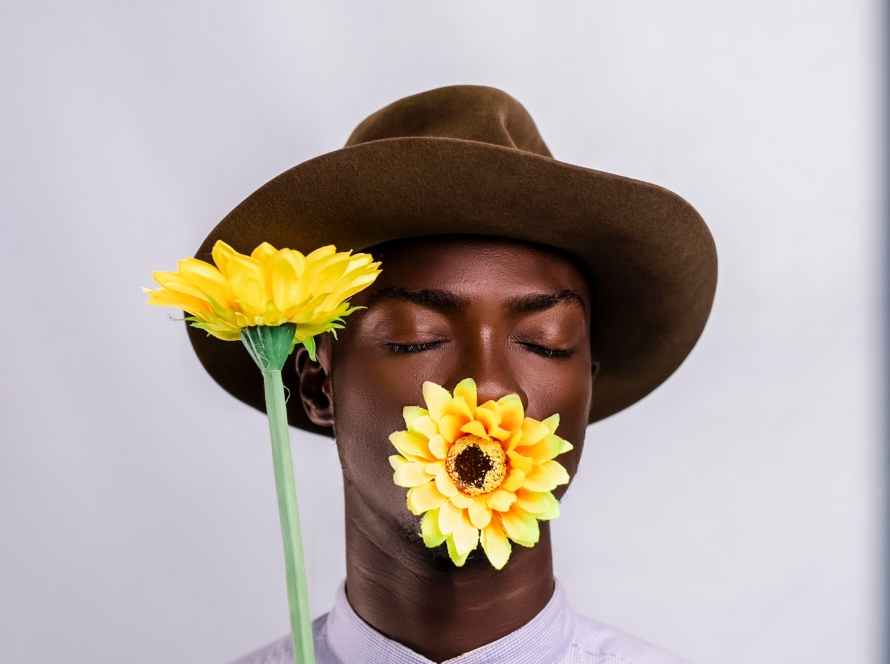
In the vibrant world of videography, there exists a powerful force that often goes unacknowledged: the importance of representation. For African American videographers, the ability to work with individuals who share their racial and cultural background can create profound and lasting experiences that resonate far beyond the screen. In this article, we explore why working with people of your own race in videography is not only significant but also transformative.
- Cultural Understanding and Authenticity: When African American videographers collaborate with individuals of their own race, there’s an inherent understanding of cultural nuances, mannerisms, and experiences. This shared background allows for a deeper level of authenticity in storytelling. Whether capturing a wedding, documentary, or promotional video, the ability to communicate and resonate with subjects on a cultural level enriches the final product, making it more genuine and relatable to audiences.
- Breaking Stereotypes and Shaping Narratives: Representation matters. Through dynamic collaboration with African American subjects, videographers have the opportunity to challenge stereotypes and reshape narratives. Through thoughtful storytelling and portrayal, they can highlight diverse perspectives and experiences within the African American community, showcasing its complexity and richness. This not only provides a counterbalance to mainstream media portrayals but also empowers individuals to see themselves reflected positively on screen.
- Building Trust and Connection: Trust is essential in videography, especially when capturing intimate moments or sensitive subjects. For black videographers and their subjects, shared racial identity can serve as a foundation for building trust and connection. There’s often a sense of camaraderie and understanding that develops naturally, fostering an environment where subjects feel comfortable being vulnerable and authentic in front of the camera. This trust translates into footage that feels genuine and emotionally resonant.
- Empowering Future Generations: Representation in the media has a profound impact on how individuals perceive themselves and their potential. By working with people of their own race, African American videographers serve as role models and inspiration for future generations. They demonstrate that careers in videography are accessible and achievable, while also showcasing the importance of diversity in storytelling. Through their work, they pave the way for aspiring videographers of all backgrounds to pursue their passions and make their voices heard.
- Creating Lasting Legacies: The collaborations between black videographers and their subjects often result in more than just a video; they create lasting legacies. Whether it’s documenting family milestones, preserving cultural traditions, or capturing historical events, these videos become cherished artifacts that tell important stories for generations to come. They serve as a testament to the power of representation and the enduring impact of shared experiences.
In conclusion, working with people of your own race in videography is not just about capturing moments on camera; it’s about harnessing the power of representation to create lasting experiences and tell meaningful stories. Through cultural understanding, authenticity, trust, and empowerment, African American videographers have the ability to shape narratives, break stereotypes, and leave a legacy that celebrates the diversity and richness of their community.